machine learning models for fleet safety
Discover how machine learning for fleet safety in Mexico City delivers ROI by preventing accidents, cutting costs 20-30%, and optimizing operations. Get the 2026 guide.
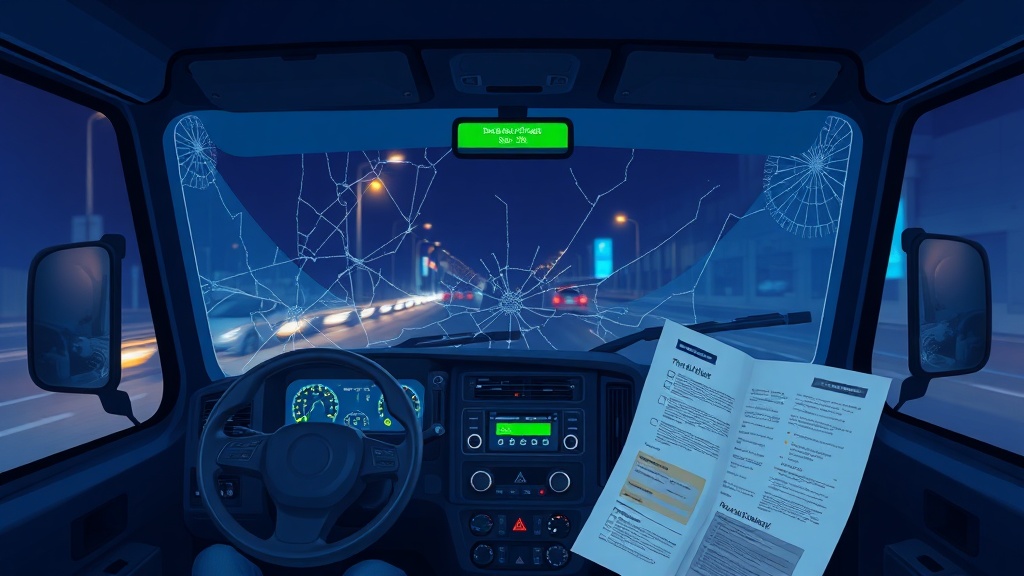
Machine Learning for Fleet Safety in Mexico City: The 2026 ROI Guide
Mexico City’s traffic isn’t just chaotic—it’s expensive. Every sudden stop, missed delivery, and accident report chips away at your profits. For fleet owners, the city’s streets are a daily gamble where safety failures and operational delays drain budgets unnoticed. Telematics gave us a rearview mirror. Now, machine learning provides a roadmap for what’s ahead. Implementing ML for fleet safety turns data into foresight, shifting operations from costly reaction to strategic prevention. This isn’t just about avoiding accidents. It’s about predicting vehicle issues before a driver is stranded, spotting risky behaviors before they become incidents, and transforming safety from an expense into an investment. Here’s what that looks like in 2026.
Machine learning for fleet safety in Mexico City delivers a clear return on investment by preventing accidents and optimizing operations. By using predictive models to forecast vehicle failures and driver risks, companies can reduce maintenance costs by 20–30% and cut unplanned downtime by 15–25%, according to industry benchmarks. This proactive approach transforms safety from a cost center into a profit driver, with many fleets achieving full ROI within 12–18 months.
The Hidden Toll of Reactive Fleet Management in Mexico City
Running a fleet reactively in this city is like pouring money into a leaky tank. The obvious costs are bad enough—repairs, liability claims, and insurance hikes that climb with every incident. But the real damage is quieter and often invisible. A vehicle off the road means more than a repair bill. You lose productive use of that asset, which cascades into delayed deliveries, missed service agreements, penalty fees, and hours spent rescheduling routes and calming frustrated customers.
Then there’s fuel. Without predictive insight, routing stays inefficient, burning through budgets thanks to Mexico City’s infamous traffic and fuel prices. Regulations add another layer—falling behind on local safety or emissions rules can lead to steep fines. This reactive cycle keeps you constantly putting out fires, making costs unpredictable and planning feel like a guess. Moving to a proactive, AI-driven model flips the script. You stop funding accidents and start investing to prevent them.
Machine Learning or Telematics? Why It Matters for Safety
Telematics has been a fleet manager’s go-to for years. It answers the question, “What happened?” It logs history: location, speed, basic engine data, and events like hard braking. It’s useful for reports, compliance, and understanding past routes, but it’s fundamentally backward-looking.
Machine learning is the next evolution. Think of it as a powerful brain layered on top of your existing telematics. Instead of just reporting data, ML algorithms analyze it in real time, spotting patterns and connections no human could catch. The difference is prediction. Telematics tells you a driver slammed the brakes at an intersection at 4 p.m. Machine learning can identify that the same driver is 40% more likely to have an incident on rainy afternoons on certain routes, based on weeks of behavior, weather patterns, and timing.
This isn’t about ripping out your current system. It’s about making it smarter. ML turns static numbers into live insights, so you’re not just documenting problems—you’re stopping them before they start.
The key difference between telematics and machine learning is that telematics provides historical data on fleet events, while ML analyzes real-time data to predict and prevent future incidents. Telematics answers "what happened" with reports on location and speed, whereas ML answers "what will happen" by identifying risk patterns, such as a driver being 40% more likely to have an incident in specific conditions. This predictive capability transforms fleet safety from reactive documentation to proactive prevention.
The Machine Learning Models Reshaping Fleet Operations
Machine learning delivers through specific models built for real-world problems. For fleet safety and efficiency, two applications deliver clear, measurable impact right now.
Predictive Maintenance: Seeing Breakdowns Before They Happen
Predictive maintenance leaves calendar-based servicing in the dust. ML models train on vast historical datasets—thousands of sensor readings like engine temperature, oil pressure, and vibration—paired with past repair records. The algorithm learns the subtle signs that precede a part failure.
For example, it might detect a gradual rise in engine temperature variation combined with a slight dip in fuel efficiency, signaling a cooling system issue 10–14 days before an overheated engine stalls in traffic. The result is condition-based maintenance. You fix what needs fixing, exactly when it’s needed. No more surprise breakdowns, tow trucks, or rushed parts orders. You also extend vehicle lifespans by maintaining them optimally. The potential payoff? Industry estimates point to a 20–30% reduction in annual maintenance costs and a 15–25% drop in unplanned downtime, keeping your revenue-moving assets on the road.
Predictive maintenance using machine learning can reduce annual fleet maintenance costs by 20–30% by preventing breakdowns before they occur. By analyzing sensor data like engine temperature and vibration, ML models identify issues like cooling system failures 10–14 days in advance, shifting from calendar-based servicing to condition-based maintenance. This approach cuts unplanned downtime by 15–25%, ensuring vehicles stay operational and reducing costly repairs.
AI-Driven Driver Monitoring: Beyond the Harsh Brake Alert
Modern driver monitoring looks deeper than isolated events. Advanced ML builds a full, contextual risk profile for each driver by analyzing multiple live data streams. It doesn’t just see hard braking—it understands the context and patterns behind it. The system evaluates:
* Signs of Fatigue or Distraction: Subtle steering adjustments, inconsistent lane positioning, and time-of-day patterns that suggest drowsiness—details a simple event alert would miss.
* Situational Risk: Was that sudden stop due to traffic, a pedestrian, or aggressive driving? ML fuses telematics with external data liketraffic density and weather to assess the true risk level of a maneuver.
* Behavioral Trends: It tracks patterns over weeks, identifying if a driver is consistently more aggressive during the last hour of their shift or on specific congested corridors.
This allows for personalized, constructive coaching. Instead of generic reprimands, managers can address specific, evidence-based behaviors with targeted training. The outcome is a measurable reduction in high-risk events, lower insurance premiums, and a stronger safety culture. The most effective systems provide real-time, in-cab audio alerts for immediate correction, turning a potential incident into a teachable moment.
AI-driven driver monitoring creates personalized risk profiles by analyzing patterns in behavior, not just isolated events. By evaluating factors like signs of fatigue, situational context, and long-term trends, it enables targeted coaching that reduces high-risk incidents and fosters a proactive safety culture, ultimately leading to lower insurance costs.
Calculating Your 2026 ROI: A Practical Framework
The return on a machine learning safety system isn't theoretical. It’s quantifiable. To build a business case, focus on these direct and indirect cost savings.
Direct Cost Reductions
1. Accident & Liability Costs: Preventable accidents are a direct hit to the bottom line. ML’s predictive capabilities can reduce incident frequency by 25–40%. Calculate your average cost per accident (repairs, liability, administrative overhead) and apply the reduction.
2. Maintenance & Downtime: As outlined, predictive maintenance slashes costs. Use your current annual maintenance budget and unplanned downtime hours to project the 20–30% and 15–25% savings, respectively.
3. Fuel Consumption: Optimized routing based on ML-predicted traffic and reduced idling from better driving behavior can improve fuel efficiency by 5–15%. In a fuel-intensive market like Mexico City, this is a major line item.
4. Insurance Premiums: Demonstrating a proactive, data-driven risk management program is a powerful lever with insurers. Many companies secure premium reductions of 10–20% after 12–18 months of verified improved safety metrics.
Indirect Value & Strategic Gains
* Asset Utilization: More vehicles in service, more hours worked. Reduced downtime directly increases revenue-generating capacity.
Regulatory Compliance: Automated reporting and ensured adherence to local Normas Oficiales Mexicanas* (NOMs) for safety and emissions avoid fines and facilitate audits.
* Driver Retention & Recruitment: A demonstrated commitment to safety and technology is a powerful tool for attracting and retaining skilled drivers in a competitive market.
* Customer Satisfaction & Reputation: Reliable, on-time deliveries and service without incident protect your brand and contract relationships.
Implementing ML in Your Mexico City Fleet: A 2026 Roadmap
Adoption is a strategic process, not a flip of a switch. This phased approach ensures integration and maximizes value.
1. Audit & Infrastructure (Months 1–2): Assess your current telematics and data infrastructure. ML needs quality, consistent data. Ensure your vehicles have the necessary sensors or plan for incremental upgrades.
2. Pilot Program (Months 3–5): Select a representative segment of your fleet (e.g., 10–20 vehicles on similar routes). Implement the ML safety platform and define clear KPIs: incident rate, maintenance alerts, fuel efficiency.
3. Analyze & Adapt (Month 6): Review pilot data meticulously. Validate the predictions and alerts. Use this period to refine models for local conditions and train your management team on interpreting insights.
4. Full Deployment & Coaching Integration (Months 7–12): Roll out across the fleet. Crucially, integrate the insights into your driver management process. Launch a formal coaching program based on the AI-generated risk profiles to ensure behavioral change.
5. Optimization & Scale (2027 Onward): With the system running, explore advanced optimizations like dynamic routing integration and deeper predictive analytics for parts inventory management.
The Bottom Line for 2026
In Mexico City’s demanding operational environment, machine learning is no longer a futuristic concept—it’s a present-day competitive necessity. The shift from reactive telematics to predictive intelligence delivers a clear and compelling financial return by directly attacking the largest, most hidden costs of fleet operations. It transforms safety from a compliance expense into a core business strategy that drives down costs, boosts reliability, and protects your most valuable assets: your vehicles, your drivers, and your reputation. The fleets that adopt this proactive model in 2026 won't just be safer; they will be fundamentally more efficient and profitable. The question is no longer if you can afford to implement ML, but if you can afford the mounting cost of waiting.